
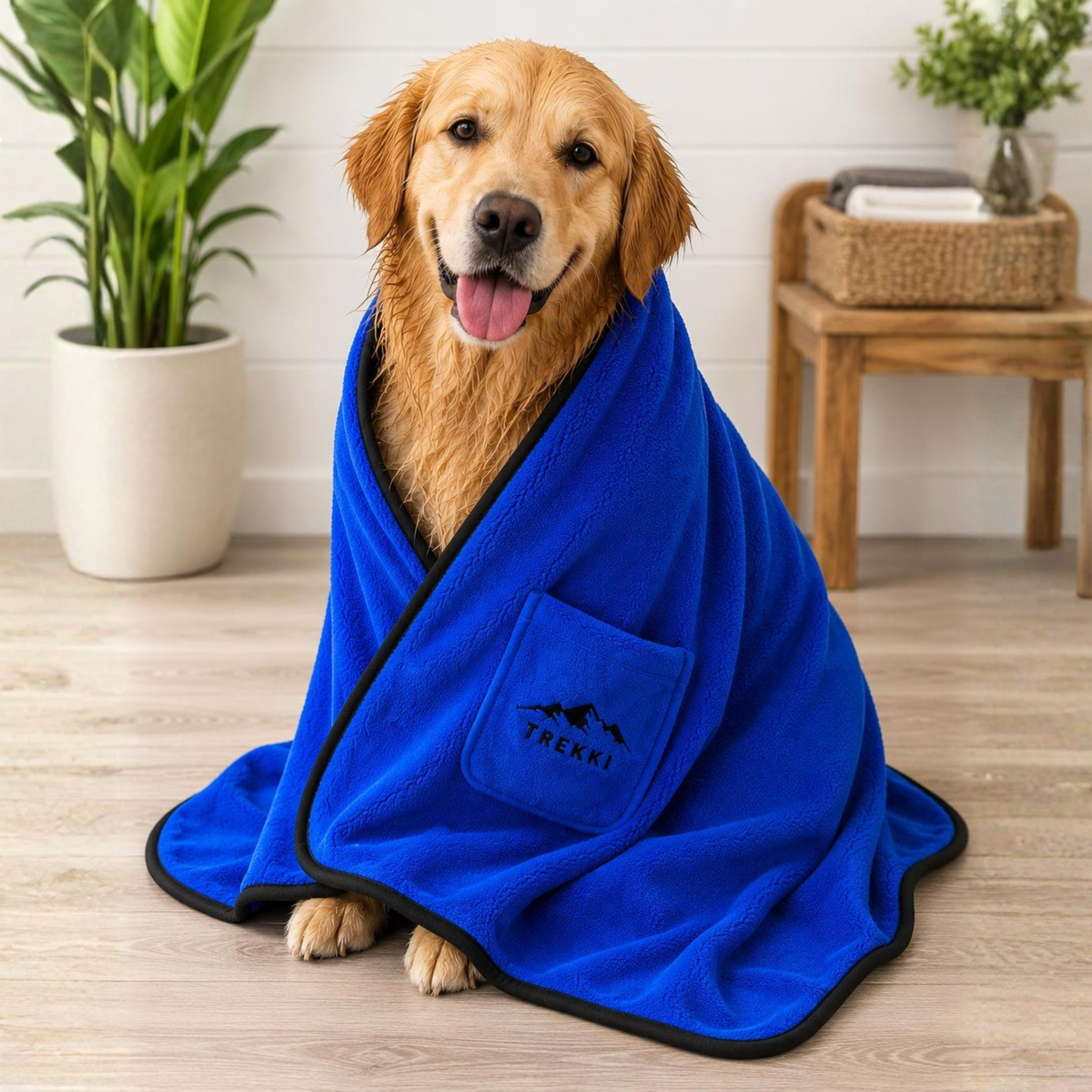
The easiest wet-walk clean-up starts before you leave: put a clean towel where you will use it, clear the entrance and decide where damp equipment will go. That way, coming home does not begin with a search through cupboards while your dog waits.
You do not need a large utility room or an elaborate washing station. A small, repeatable arrangement can work in a hallway, porch or kitchen entrance, provided it suits your dog and leaves the doorway easy to use.
Prepare the landing place
Choose the first suitable indoor area after the entrance. Move shoes and loose bags out of the way, and keep any floor covering flat so it does not become a trip hazard. Have your own wet footwear storage ready too.
Place a clean dog towel within reach. Keep it away from the floor and splash from wet coats. If several people use the entrance, make sure they know which towel belongs to the dog.
Do not place cleaning products or tempting loose items where your dog can investigate them during the return.
Pack for the conditions without overfilling
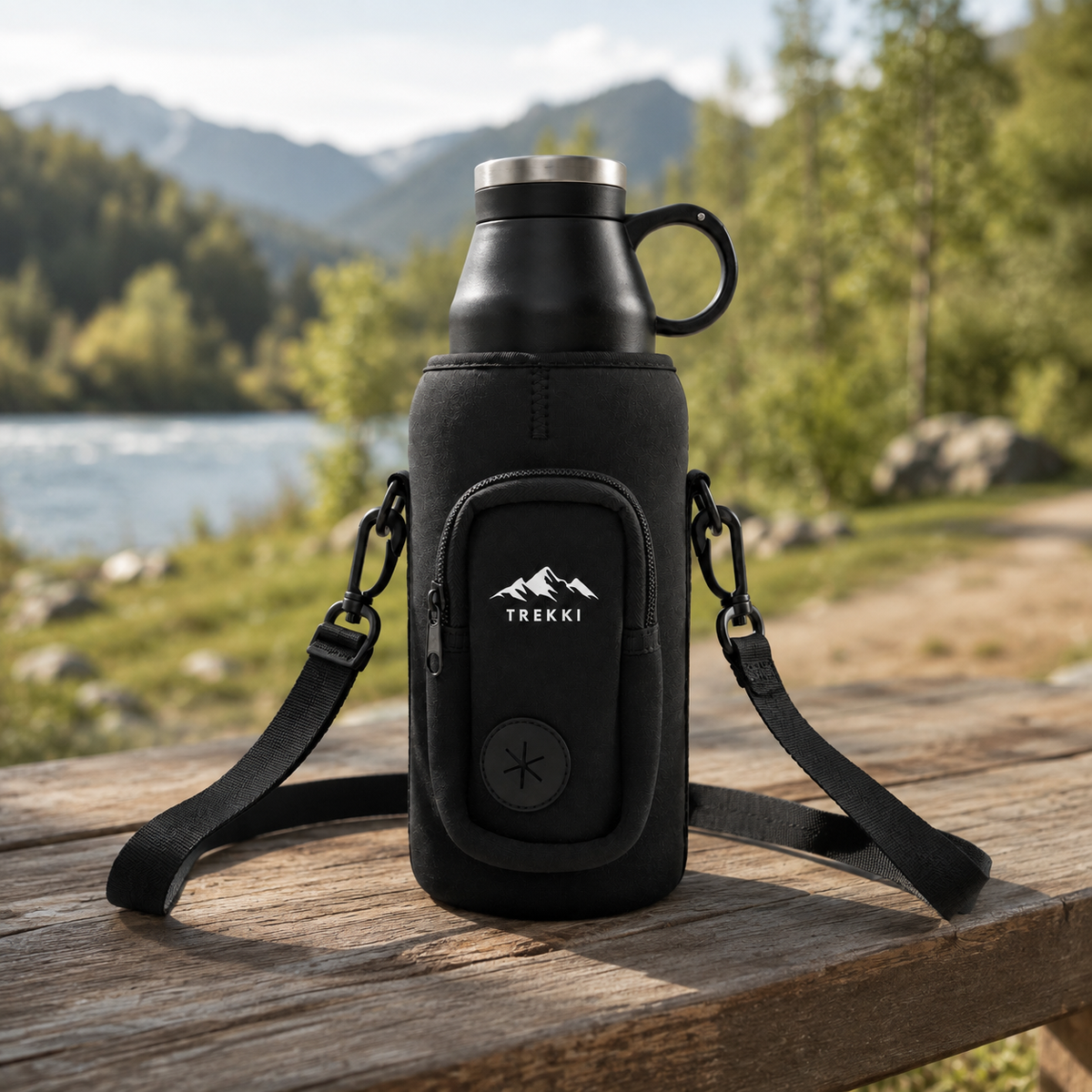
Bring your usual essentials and protect items that need to stay dry. Keep drinking equipment separate from a spare towel, and put your phone and keys in a suitable secure pocket.
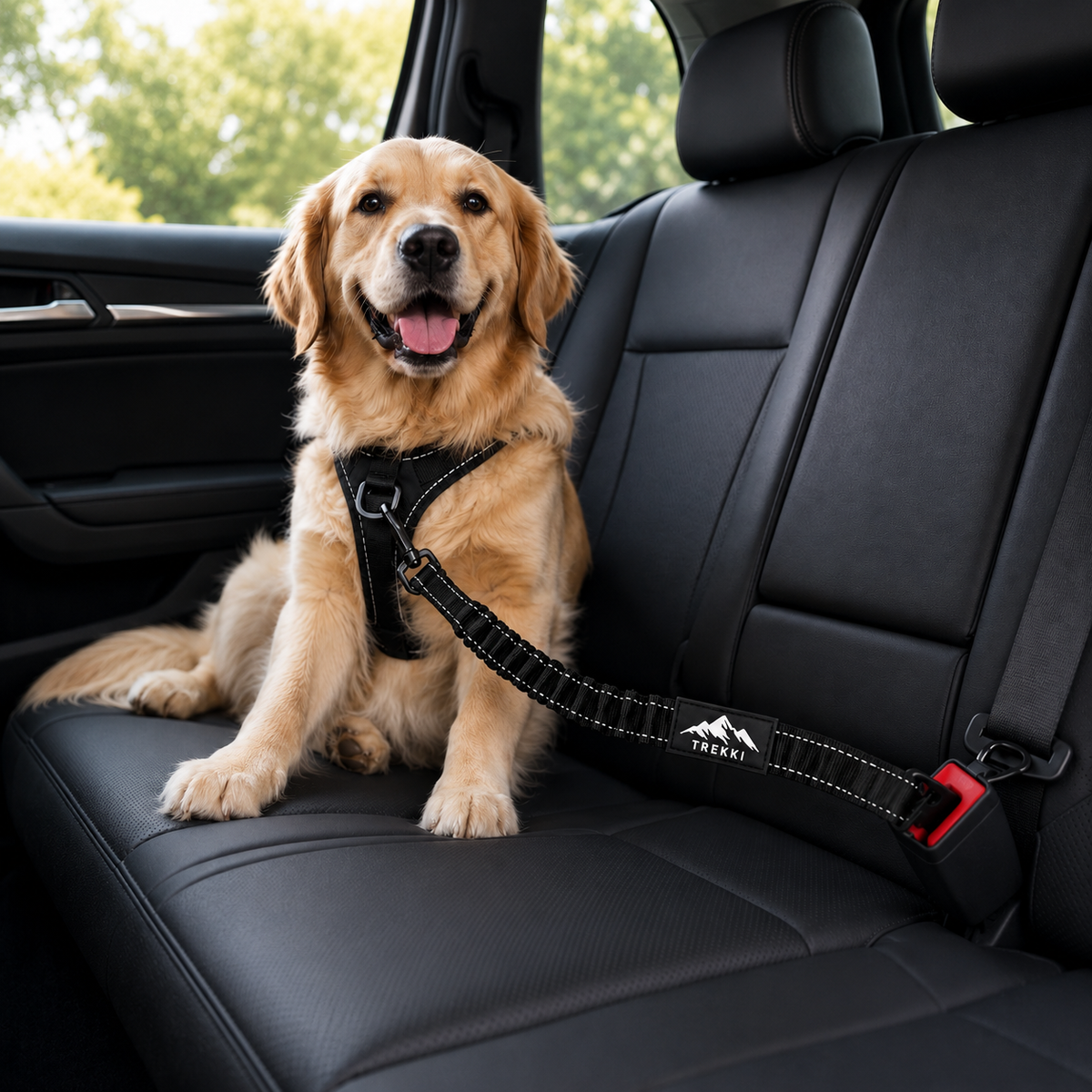
If you will walk straight home, the main towel can stay by the door. If you drive somewhere first, move the same clean-up arrangement to an accessible part of the car.
Our dog walking bag organisation guide explains how to distinguish things needed on the route from things needed afterwards.
Give the return a predictable order
Come in calmly, maintain control of the lead and use the prepared area. Deal with your own wet bag and coat without blocking the exit or leaving equipment across the floor.
Use your normal gentle clean-up routine for your dog's paws and coat. A towel can remove surface moisture; do not treat it as a solution for persistent skin problems, discomfort or anything that needs veterinary attention.
The Trekki microfibre towel has hand pockets that provide a place to grip while drying. Check that any handling method you use is comfortable for your dog, and pause if they appear uncomfortable.
Separate wet items immediately
Keep the used towel away from the clean spare. Put muddy equipment in a designated washable container or on a suitable protected surface until you can deal with it.
A temporary bag is helpful for transport, but leaving wet kit sealed inside it is not a storage routine. Open it and follow the care instructions once you are home. Give straps, pouches and the bag itself time to dry before closing them away.
Check small compartments as well as the obvious wet items. Rain can collect where a bottle or pouch presses against the side of a bag.
Keep a spare only where it earns its place
If your household takes several walks in a day, a second towel can bridge the washing and drying gap. Store it visibly in the clean area so everyone can see whether a spare is ready.
You may not need a full duplicate walking bag. Replacing consumables and rotating the item that regularly stays damp is often enough. Base the setup on what causes difficulty in your own routine.
Reset before the next departure
Refill the bag dispenser, clean the bottle and bowls as instructed and check any light used during the walk. Replace the clean towel at the entrance once the laundry is ready.
Then look at the doorway again. If the wet coat, boots or used towel still make it difficult to enter, adjust their storage place. A good rainy-day routine should make both the return and the next departure easier.

Leave a comment
This site is protected by hCaptcha and the hCaptcha Privacy Policy and Terms of Service apply.